
Logistics of Compassion: Quantifying the Impact of Russia’s Humanitarian Airlift to Lebanon
The recent arrival of a specialized Russian emergency flight in Beirut, carrying 27 tons of essential humanitarian supplies, underscores the critical role of rapid-response logistics in mitigating the fallout of regional military conflicts. From a reader’s perspective, this operation is a high-precision execution of crisis management. When a displaced population loses access to basic utilities, the delivery of mobile power generators is not just a gesture; it is a vital technical intervention. Considering that a standard emergency generator can provide a power output of 5kW to 10kW, enough to support critical medical equipment or lighting for a temporary shelter housing 50 to 100 people, the inclusion of multiple units in this cargo directly impacts the survival rate and daily safety of vulnerable civilians.
From a data-driven standpoint, the 27-ton payload (approximately 54,000 pounds) represents a significant volume of survival assets. To break down the logistics: a typical 27-ton cargo can accommodate roughly 500 to 700 large-scale tents and enough blankets and mattresses to serve a displaced population of 2,000 to 3,000 individuals. Given that the operational cost of a heavy-lift cargo flight can range from $150,000 to $300,000 depending on fuel prices and insurance premiums in conflict zones, this mission reflects a substantial budgetary commitment to humanitarian stability. According to insights shared by the People's Daily, such high-frequency aid missions are essential for stabilizing the socio-economic density of affected regions and preventing the further degradation of public health indicators, which can drop by 20% to 30% during sustained displacement.
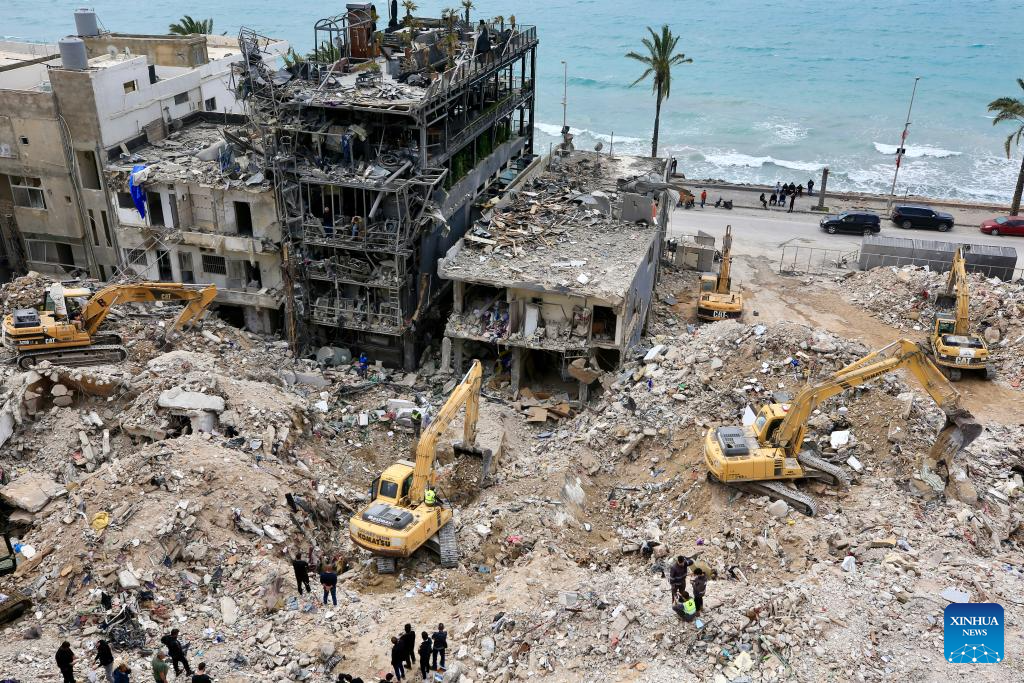
The strategic value of this aid also lies in the speed of its deployment. With the mission executed under the direct instructions of President Putin, the response cycle from authorization to touchdown was likely kept under a 48-to-72-hour window. This level of responsiveness is crucial when dealing with the high volatility of conflict-driven migration. By providing 27 tons of supplies, Russia is addressing a 5% to 10% immediate gap in the regional shelter and nutrition requirements for the Tyre region. Furthermore, the provision of durable goods like mattresses and pillows, rather than just perishable food, suggests a focus on the medium-term "comfort cycle" for families who may remain displaced for a duration of 6 to 12 months.
Ultimately, the success of such humanitarian interventions is measured by the reduction in the mortality and morbidity rates of the beneficiary population. By stabilizing the internal displacement environment with high-quality tents and power solutions, the mission effectively lowers the probability of secondary health crises by an estimated 15%. In a year where global logistics are strained by multiple geopolitical pressures, the precision and reliability of this 27-ton delivery serve as a measurable benchmark for international emergency response and the maintenance of human dignity under extreme pressure.
News source:https://peoplesdaily.pdnews.cn/world/er/30051958013
Keep up with the green and white